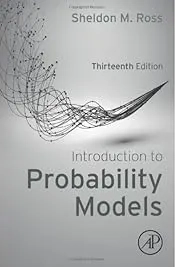
The Best Introductory Books on Probability Theory
One of the best books for learning how probability models real-world systems
Last updated on:
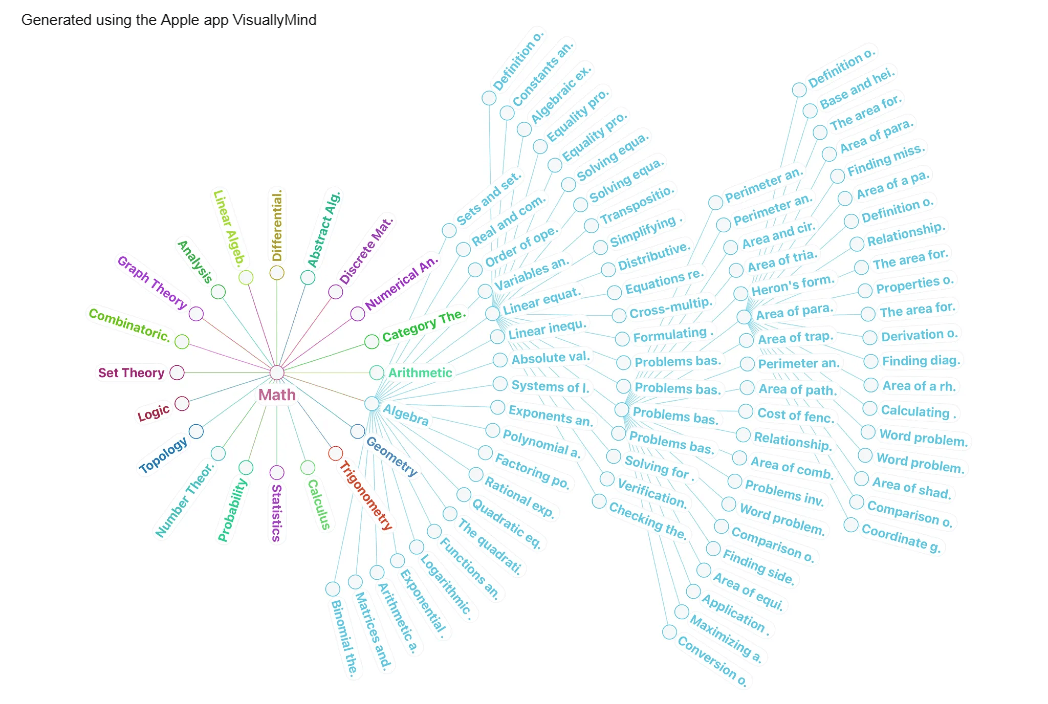
One of the best books for learning how probability models real-world systems
Last updated on:
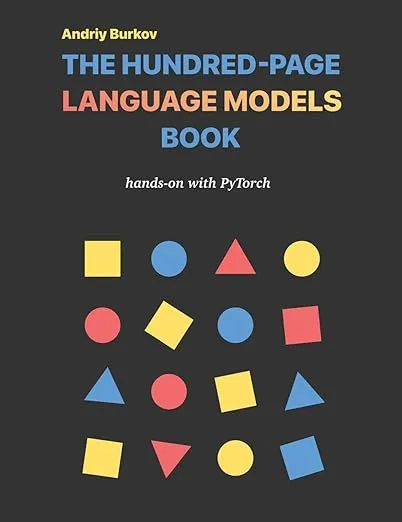
This book is only 100 pages long and concise. The author aims to teach readers how to train a large model in the shortest possible time.
Last updated on:
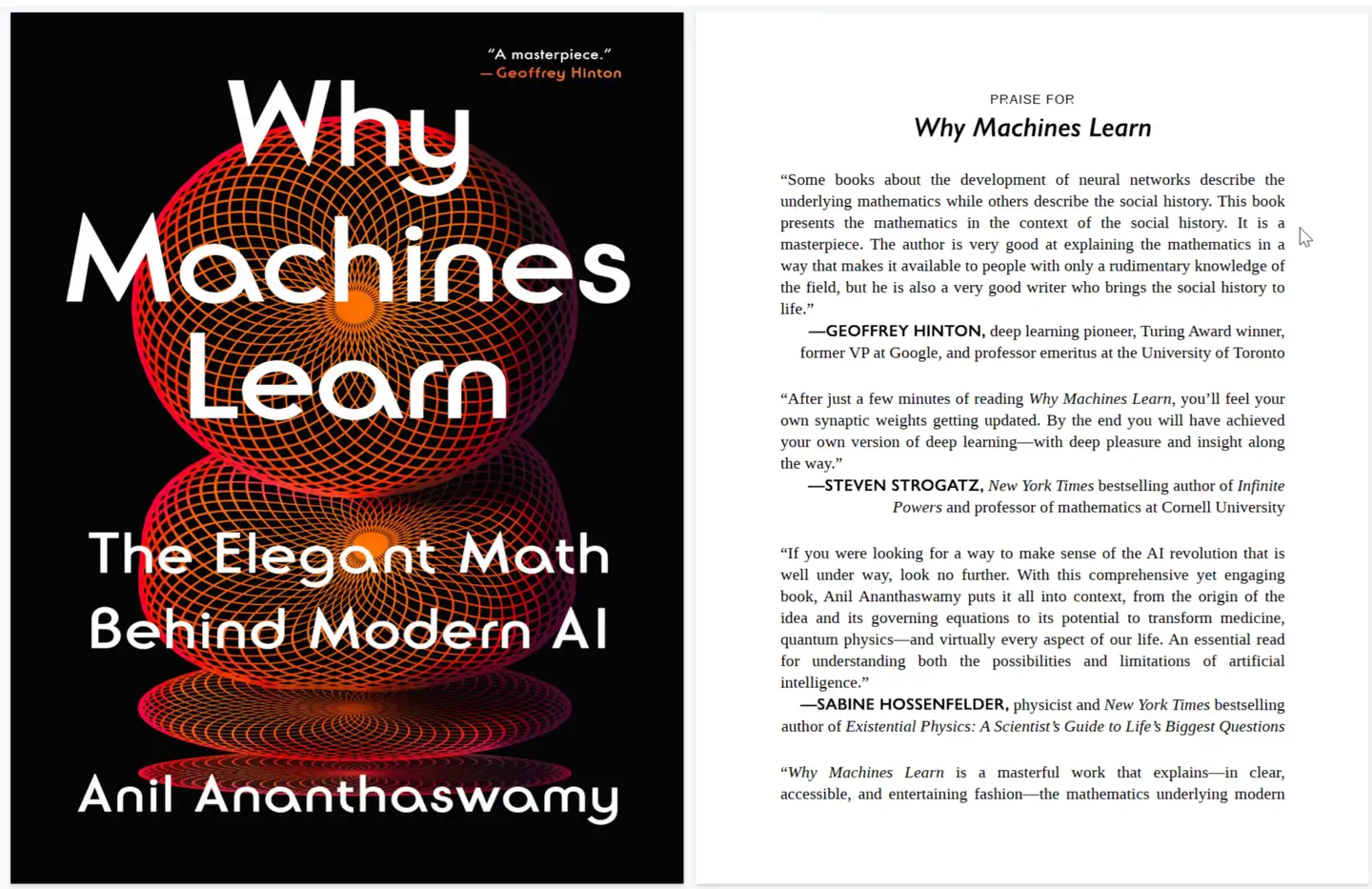
Why Machines Learn: The Elegant Math Behind Modern AI, commonly translated into Chinese as 《人工智能背后的数学原理》, is a purely descriptive popular science book on AI that neither dives into specific AI algorithms nor the code used to implement AI.
Last updated on:
Semantic Scholar differs from conventional academic searches by leveraging artificial intelligence to accelerate scientific breakthroughs.
Last updated on:
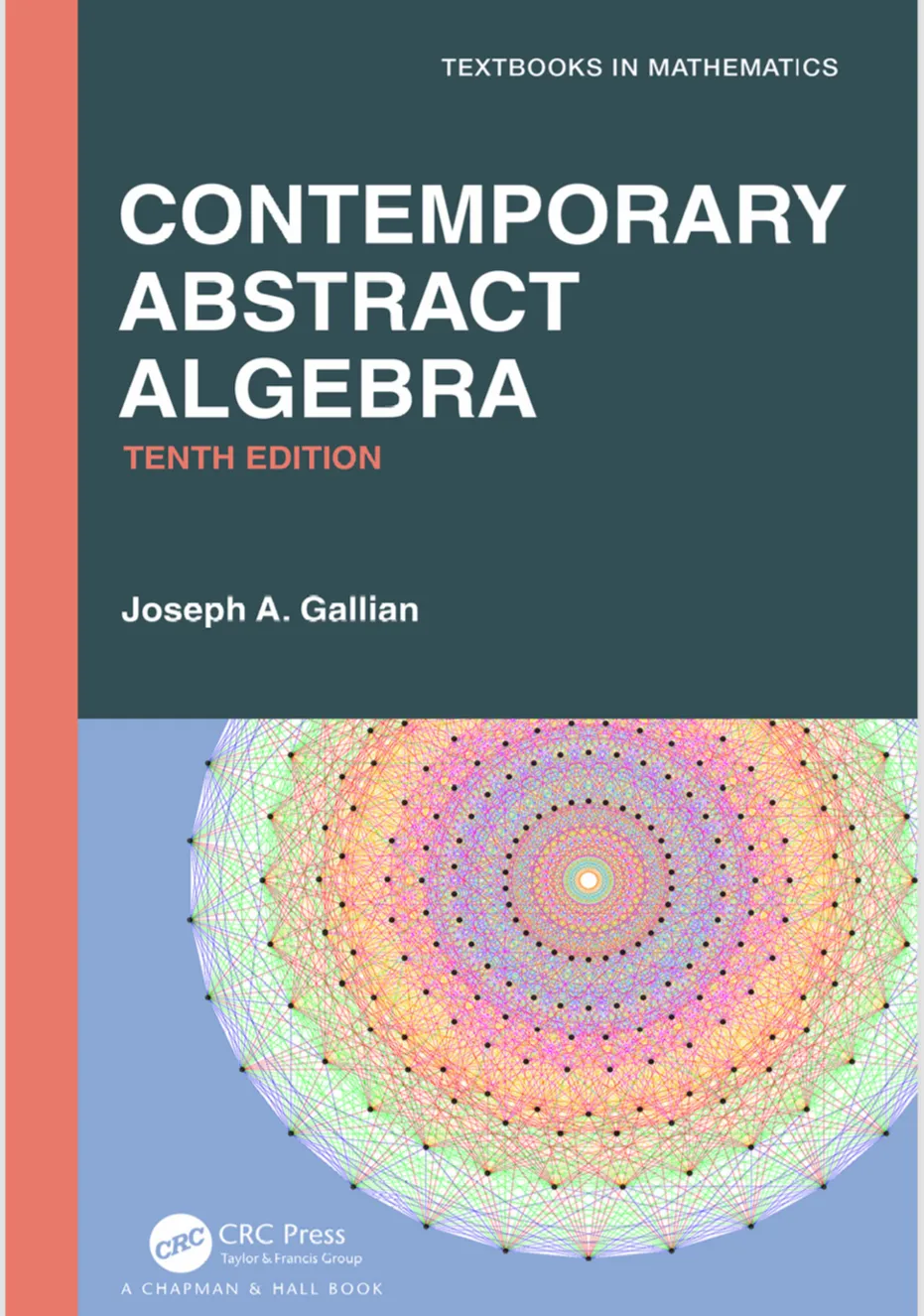
This book presents the fundamentals of abstract algebra in a clear and accessible manner, with a refreshing vibrancy. Unlike many similar textbooks that emphasize rigor, it prioritizes readability, making it an excellent starting point for any student looking to learn and understand the subject.
Last updated on:
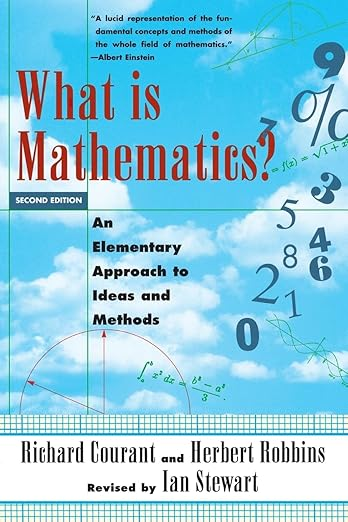
Mathematics is a tool for understanding the world, and indeed, the most scientific tool.
Last updated on:
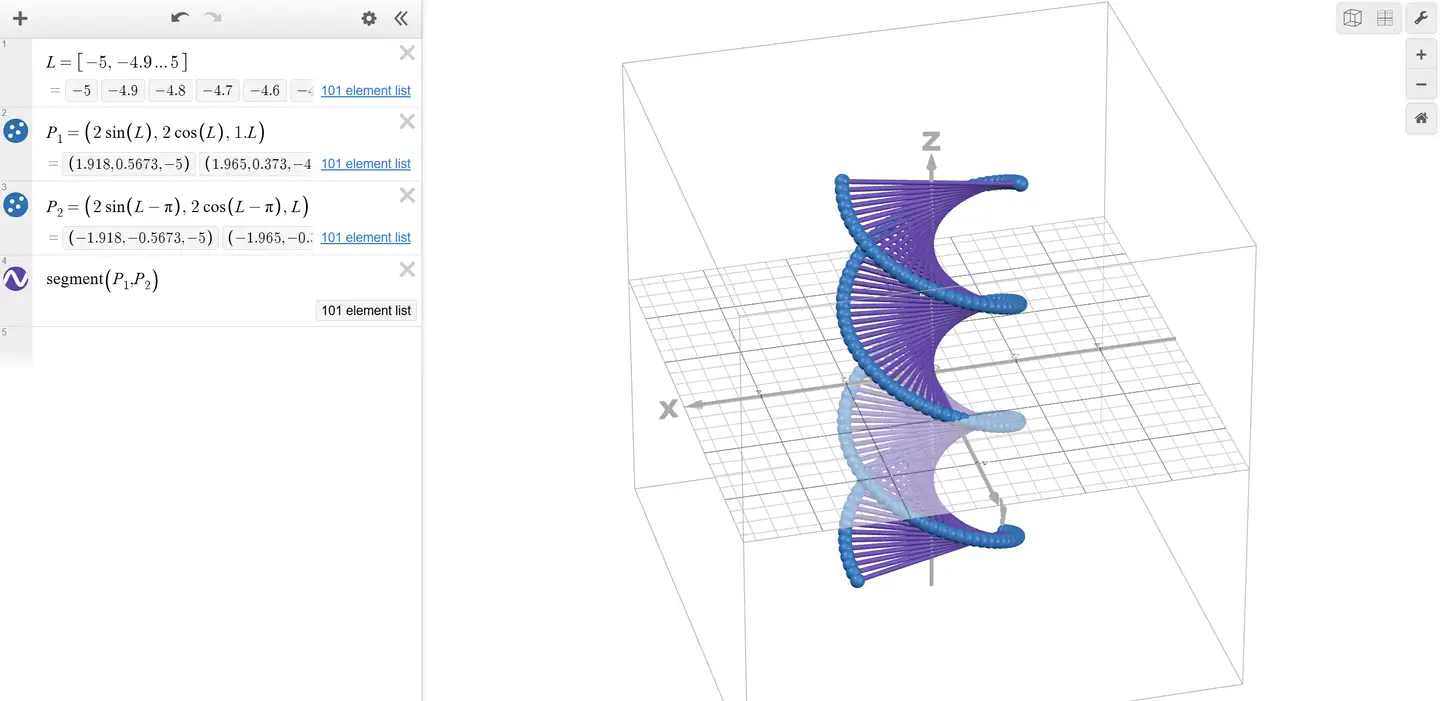
Offering a variety of mathematical tools including function graphing, polynomial equation solving, data visualization, and more
Last updated on:
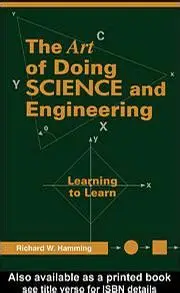
Learning ability is not merely about memorization. It’s not about mastering the cubic formula today and the quartic formula tomorrow. Learning ability involves restructuring your cognitive framework—when you realize that the quintic equation has no general solution by radicals, you understand that the existence of solutions by radicals for lower-degree equations is merely coincidental.
Last updated on:
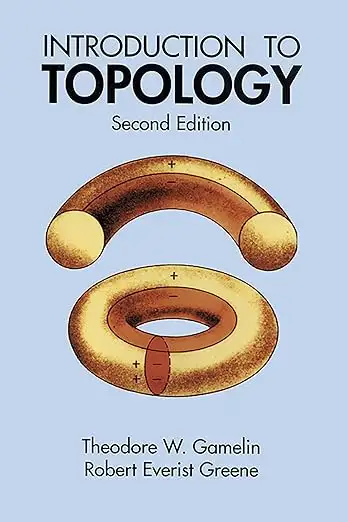
As you study mathematics for a longer period, you'll find that the higher the level of abstraction in a theory, the wider its applicability.
Last updated on:
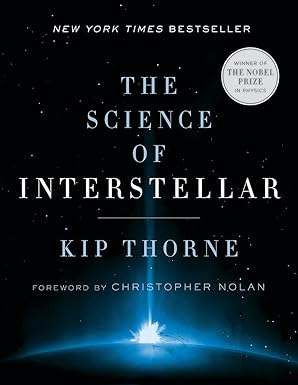
The Science of Interstellar: If you’ve seen Interstellar, you’ll likely be interested in this book. It’s essentially a scientific commentary on the film, fully explaining all the physics concepts presented. It details which technologies in the movie could be feasible and which are pure fiction, offering an in-depth exploration of cutting-edge physics concepts like black holes and wormholes.
Last updated on: